
Nature's Basket - NZ
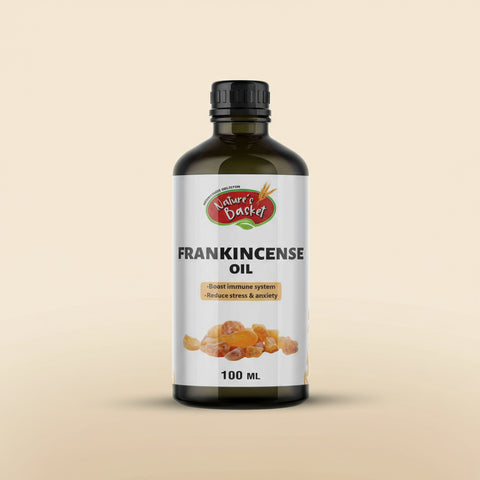
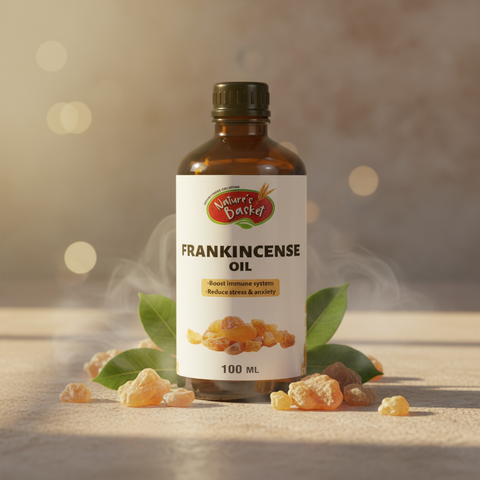
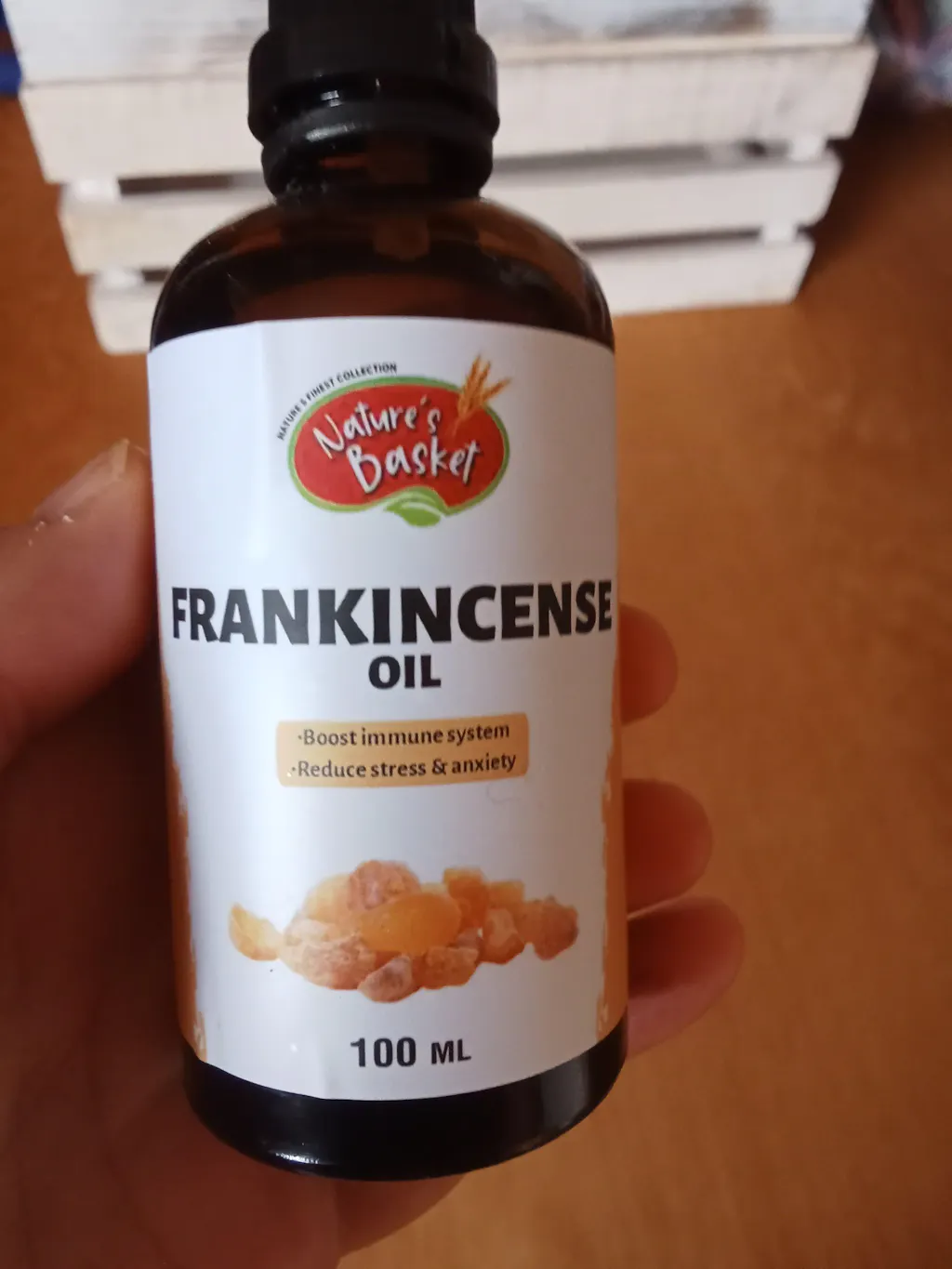
Pure Frankincense Essential Oil (100ml) — 100% Boswellia Carterii NZ
Plant Based Supplement
Subscribe & Save
FAQs
-
How do I use Frankincense oil in a diffuser, and how much should I add?
For most ultrasonic diffusers, 3–6 drops of Frankincense oil in water is enough for a medium-sized NZ living room. Start with fewer drops and adjust according to the room size and your personal preference. There’s no benefit to over-scenting the room – gentle and subtle is best.
-
What is Frankincense oil commonly used for in New Zealand homes?
In NZ, people mainly use Frankincense oil in a diffuser for a calming, woody aroma, or add a few drops to a carrier oil for simple massage oils, bath blends and skincare routines. It’s used as part of a general self-care ritual, not as a medicine or treatment for any disease.
-
Can I put Frankincense oil directly on my skin?
Pure essential oils are highly concentrated and should not be used neat on the skin. Always dilute Frankincense oil in a carrier oil (such as jojoba, almond or fractionated coconut oil). A common guideline is 1–2% essential oil for face products and up to 3% for body blends, unless a qualified aromatherapist advises otherwise. Patch-test first if you have sensitive skin.
-
Is Frankincense oil good for the face and fine lines?
Many people like Frankincense in DIY facial oils or creams because of its soft, resinous aroma and how it pairs with other plant oils in a skincare routine. It can be a nice addition to a regular moisturising routine, but it is not a magic anti-ageing treatment and cannot be advertised as a cure for any skin condition. Always keep dilutions low around the eye area and avoid contact with the eyes themselves.
-
Can I take Frankincense essential oil internally?
We do not recommend ingesting Frankincense essential oil unless you are under the direct guidance of a qualified practitioner who is trained in internal use of essential oils. Most New Zealand and international aromatherapy guidelines treat essential oils as external-use products only (diffuser or diluted on the skin).
-
What is the difference between Boswellia carterii and other Frankincense species?
Frankincense oil can come from several Boswellia species (such as B. carterii, B. sacra, B. serrata). Each has a slightly different aroma profile, but all are used in similar ways for aromatherapy. Check the Latin name on the label if you are following a specific recipe or working with a practitioner.
Adaptogen : Commonly plants that help your body respond to stress, anxiety, fatigue and overall wellbeing.
Anti-allergic : Prevents or relieves allergies
Anti-inflammatory : A chemical that reduces inflammation, including swelling, pain & redness in the body. Anti-inflammatory agents block certain substances in the body that cause inflammation.
Anti-oxidant : chemicals that lessen or prevent the effect of free radicals on cells. They reduce the reactivity and prevent disease
Antibacterial : Effective only against bacteria.
Antimicrobial : Effective against a wide variety of microbes. Helps to eliminate dangerous bacteria and prevent the spread of infections.
Antiseptic : Antiseptics are chemicals that kill or slow the growth of germs or micro-organisms (bacteria, fungi and viruses)
Antispasmodic: Remedies used to treat symptoms such as abdominal pain and cramp (spasm). Often used for symptoms of irritable bowel syndrome.
Astringent : a chemical that shrinks or constricts body tissues. The word derives from the Latin adstringere, which means "to bind fast".
Churna :(Sanskrit: चूर्ण "powder") is a mixture of powdered herbs and or minerals used in Ayurvedic medicine.
Free Radicals : Unstable molecules made by the process of oxidation during normal metabolism. Free radicals can cause “oxidative stress,” a process that can trigger cell damage
Hemostatic : Capable of stopping the flow of blood. Hemostasis is a process to prevent and stop bleeding. It is the first stage of wound healing. This involves coagulation, which changes blood from a liquid to a gel.
Free Shipping on orders over $60 NZ Wide* (Excluding Rural).
Shipping Price: $5.99
Rural: $9.99
*Rural Surcharge - For Orders Over $60 -$4.99
FAQs
-
How do I use Frankincense oil in a diffuser, and how much should I add?
For most ultrasonic diffusers, 3–6 drops of Frankincense oil in water is enough for a medium-sized NZ living room. Start with fewer drops and adjust according to the room size and your personal preference. There’s no benefit to over-scenting the room – gentle and subtle is best.
-
What is Frankincense oil commonly used for in New Zealand homes?
In NZ, people mainly use Frankincense oil in a diffuser for a calming, woody aroma, or add a few drops to a carrier oil for simple massage oils, bath blends and skincare routines. It’s used as part of a general self-care ritual, not as a medicine or treatment for any disease.
-
Can I put Frankincense oil directly on my skin?
Pure essential oils are highly concentrated and should not be used neat on the skin. Always dilute Frankincense oil in a carrier oil (such as jojoba, almond or fractionated coconut oil). A common guideline is 1–2% essential oil for face products and up to 3% for body blends, unless a qualified aromatherapist advises otherwise. Patch-test first if you have sensitive skin.
-
Is Frankincense oil good for the face and fine lines?
Many people like Frankincense in DIY facial oils or creams because of its soft, resinous aroma and how it pairs with other plant oils in a skincare routine. It can be a nice addition to a regular moisturising routine, but it is not a magic anti-ageing treatment and cannot be advertised as a cure for any skin condition. Always keep dilutions low around the eye area and avoid contact with the eyes themselves.
-
Can I take Frankincense essential oil internally?
We do not recommend ingesting Frankincense essential oil unless you are under the direct guidance of a qualified practitioner who is trained in internal use of essential oils. Most New Zealand and international aromatherapy guidelines treat essential oils as external-use products only (diffuser or diluted on the skin).
-
What is the difference between Boswellia carterii and other Frankincense species?
Frankincense oil can come from several Boswellia species (such as B. carterii, B. sacra, B. serrata). Each has a slightly different aroma profile, but all are used in similar ways for aromatherapy. Check the Latin name on the label if you are following a specific recipe or working with a practitioner.